In short
- Arrive before dawn or stay until dusk.
- Visit between late April to June or September to October.
- Bring a spotting scope and wait at designated pullouts.
In this article
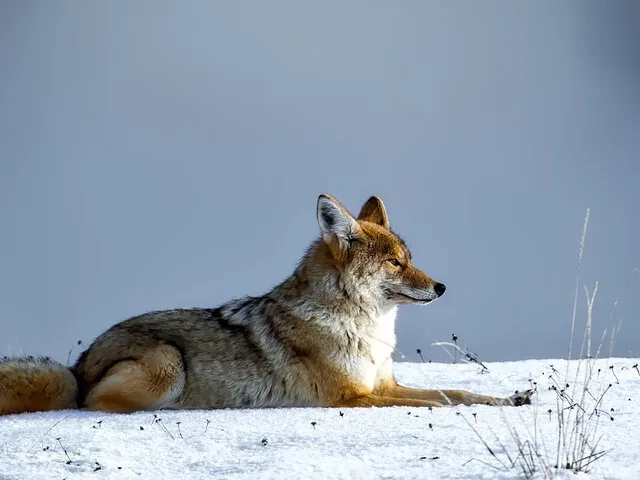
Timing dictates everything when tracking gray wolves in Yellowstone. Because predators hunt and move during cooler hours, mid-day visits often result in empty fields. Planning your arrival around civil twilight gives you the highest chance of spotting these animals in action.
What is the best time of day to see wolves in Lamar Valley?
The optimal times to spot wolves are the hours just before dawn and immediately before dusk.
Wolves are most active during low-light conditions. Arrive at pullouts like the Hitching Post before sunrise to secure a spot among dedicated wolf watchers. By mid-morning, wolves typically retreat to the tree line to rest. Late afternoon and early evening offer a second window of high activity.
What are the best months for wildlife viewing in Lamar Valley?
The best months to view wildlife are late April through June, and September through October.
Spring brings cooler temperatures and newborn wildlife. This increases predator activity in the valley. Fall offers similarly favorable conditions as animals prepare for winter. While the Northeast Entrance Road remains open year-round, deep snow in winter alters animal movements.
Where should I wait to see wolves?
Set up at roadside pullouts like the Hitching Post or Slough Creek Junction.
These elevated viewpoints provide sweeping sightlines across the valley floor. Park only in designated pullouts and do not block the roadway. Listen for howling in the early morning. This sound often alerts watchers to a pack's location.
Do I need special gear to see them?
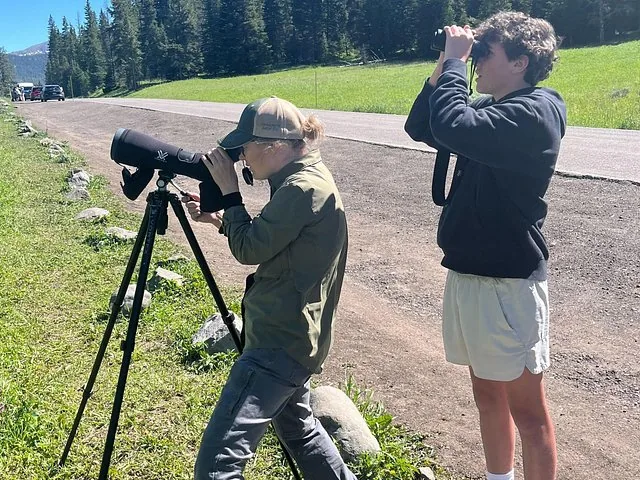
Yes, a high-powered spotting scope and binoculars are essential for viewing wolves.
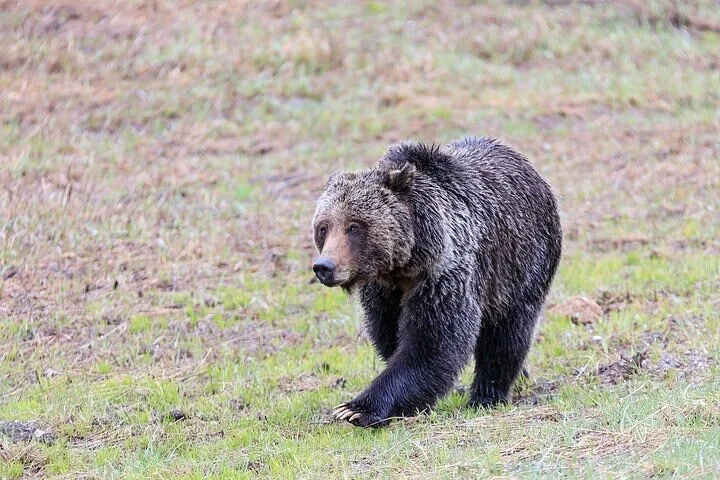
Park safety regulations mandate staying a minimum of 100 yards (91 meters) away from wolves and bears. Because wolves often roam far from the road, a sturdy tripod and a spotting scope are necessary. Dress in warm layers, as pre-dawn temperatures drop below freezing.
How long should I plan to stay in the valley?
Plan to spend at least three to four hours observing the valley during peak times.
Wildlife watching requires patience. Rather than driving straight through the 29-mile corridor, stop at multiple pullouts and wait. Spotting requires scanning distant tree lines and riverbanks carefully.
Is a guided tour better for early morning sightings?
Guided tours increase your chances because operators start before dawn and provide professional spotting scopes.
Booking a guided tour maximizes your time. Guides communicate with other spotters to locate active packs. They also supply the expensive optics needed to see wolves clearly across long distances. Tours usually last six to eight hours.
Questions travellers ask
Is Lamar Valley open in the winter?
Yes, the road through Lamar Valley is the only one in Yellowstone open to regular wheeled vehicles year-round. It is accessible via the North Entrance.
How much does it cost to enter Lamar Valley?
Access requires a standard 7-day Yellowstone private vehicle pass for $35. Starting in 2026, international visitors face an additional $100 per person non-resident surcharge.
What other animals are active in the early morning?
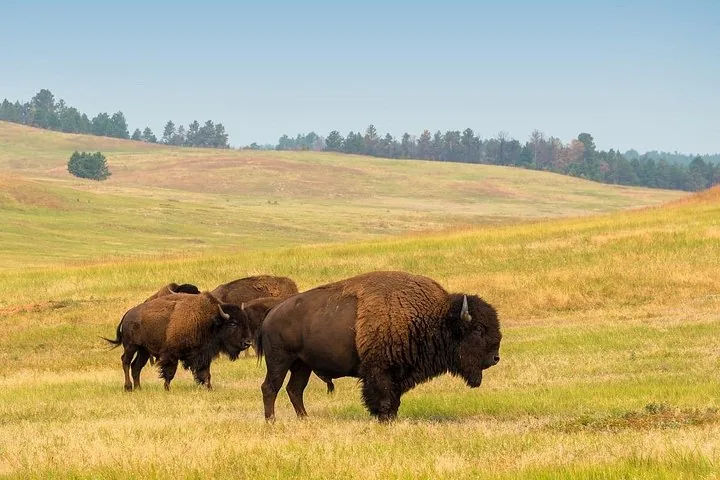
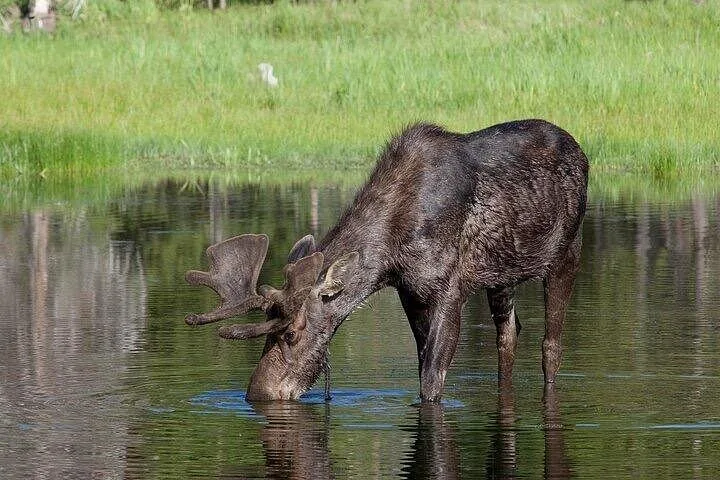
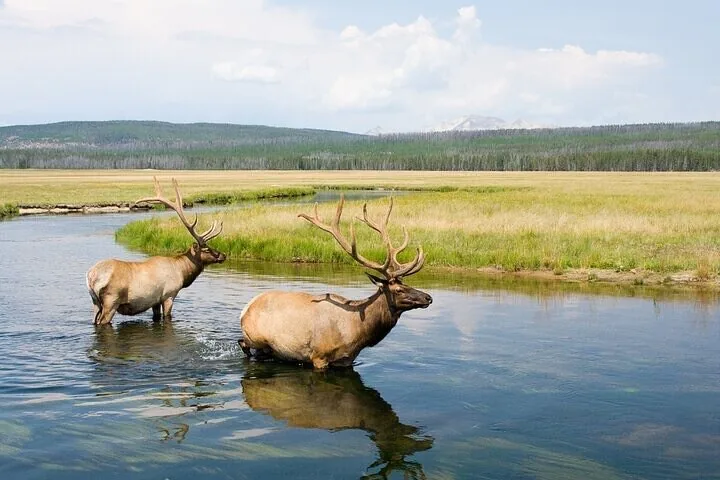
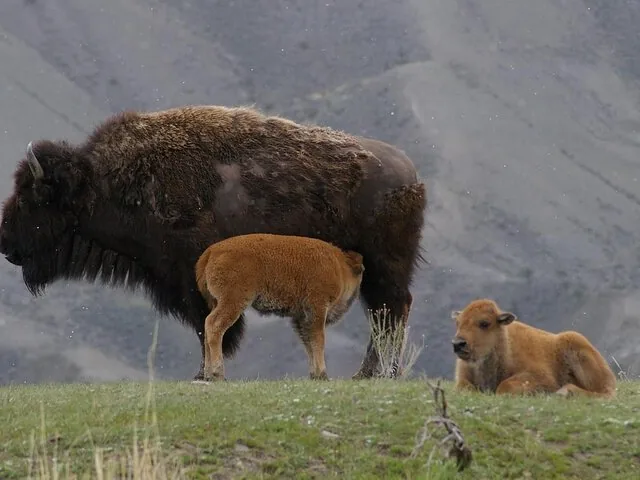
Besides wolves, you can spot grizzly bears, thousands of American bison, and herds of elk during the early hours.